The Technical Standard for High-Performance Flood Isolation Barriers
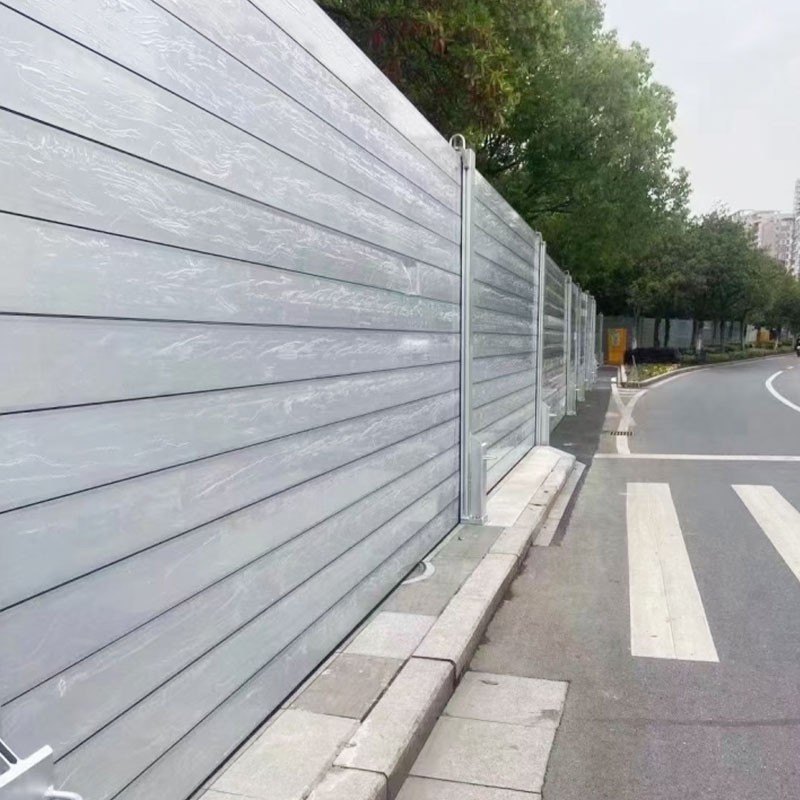
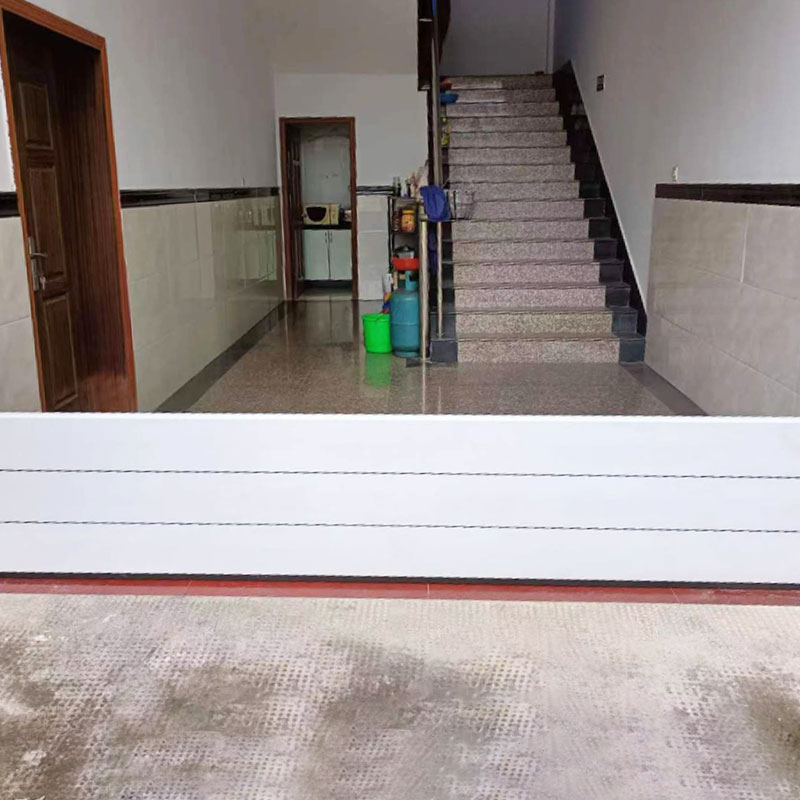
Mitigating catastrophic structural inundation in commercial and municipal infrastructure requires the deployment of a high-strength modular flood control board system constructed from structural marine-grade aluminum profiles and anchored via heavy-duty compression gaskets . This specialized engineering assembly serves as a demountable, impermeable perimeter wall capable of withstanding extreme hydrostatic pressure, dynamic wave action, and heavy debris impacts during severe weather events. Selecting an engineered stackable stoplog or automatic hydrodynamic flip-up panel setup provides an immediate, absolute seal that prevents water ingress up to 100 percent, eliminates structural damage, and minimizes facility operational downtime during flash floods or riverine overflow cycles.
Mechanical Forces and Hydrostatic Load Dynamics on Flood Barriers
The architectural design of a physical flood control board must account for intense fluid mechanics. When floodwaters rise against a stationary perimeter barrier, they exert a continuous, escalating force known as hydrostatic pressure. This force increases linearly with water depth. For instance, a water accumulation depth of 4 feet exerts approximately 250 pounds of horizontal force per square foot at the base of the barrier structure. If the barrier spans a wide loading dock or entrance—such as a 20-foot wide underground parking garage opening—the cumulative horizontal load pressing against the structural assembly quickly surpasses several tons.
Beyond static fluid pressure, barriers must also mitigate hydrodynamic forces caused by moving currents and wave action. Rapidly flowing surface water adds a dynamic kinetic energy vector that attempts to shear the barrier panels away from their vertical anchoring tracks. Furthermore, floating debris—such as dislodged logs, urban waste, or vehicles moving at speeds of 5 miles per hour—presents a high risk of point-impact puncture. Structural engineers address these combined load patterns by fabricating flood panels with internal webbed chambers and reinforcing trusses, distributing the structural stresses evenly down to the embedded ground anchors and lateral structural columns.
Comparative Engineering Frameworks: Stackable Aluminum Stoplogs vs. Hydrodynamic Flip-Up Boards
Civil engineers and industrial facility managers must evaluate different deployment styles when selecting a flood control board infrastructure. The two primary categories of heavy-duty perimeter barriers utilize distinct physical mechanics, deployment protocols, and operational workflows.
Stackable Modular Aluminum Stoplog Panels
Stackable stoplog frameworks consist of individual, interlocking aluminum extrusion boards that are manually slotted into permanently installed vertical side channels when a storm warning is issued. Each board section features a tongue-and-groove profile embedded with high-density ethylene propylene diene monomer (EPDM) gaskets. As the boards are stacked, top-mounted compression clamps are torqued down to squeeze the horizontal seals tightly together. This method offers exceptional modular flexibility, allowing operators to adjust the height of the protection wall to match the severity of the incoming forecast. However, stoplogs require manual human labor and advance warning time to deploy before water arrives on site.
Automatic Hydrodynamic Flip-Up Barriers
Automatic flip-up flood control boards are permanently recessed flat into the ground surface inside a reinforced steel sub-grade chamber. This configuration allows normal pedestrian and heavy vehicle traffic to pass smoothly over the unactivated system. When a flash flood occurs, water enters the subterranean chamber through integrated collection grates. The buoyancy of the internal chamber chambers uses the natural lifting force of the rising water to rotate the main barrier panel upward by 90 de grade into a vertical, locked defensive posture. This design provides autonomous protection without requiring electrical power or human intervention, making it ideal for unmanned facilities, though it demands higher initial civil engineering excavation and installation investments.
Structural Performance Metrics of Flood Isolation Materials
Sourcing a flood control board line involves balancing deployment speeds against initial capital spending and the structural loads required by your local topography. The table below outlines the core performance distinctions between the primary structural barriers specified for commercial property defense.
Performance comparison and engineering profiles of stackable aluminum, automatic hydrodynamic, and mobile polymer flood control boards. | Barrier Mechanism Type | Max Water Height Rating | Deployment Automation | Puncture & Debris Resistance |
| Stackable Aluminum Stoplog | High (Up to 12 feet maximum) | Manual (Requires crew assembly) | Excellent (6063-T6 structural alloy) |
| Hydrodynamic Flip-Up Board | Moderate (Typically 4 to 6 feet) | 100% Passive (Water buoyancy driven) | Exceptional (Heavy reinforced steel backing) |
| Mobile Composite Polymer Board | Low (Under 3 feet height limits) | Manual (Interlocking drop-in modules) | Moderate (Flexible ABS construction) |
Material Science and Gasket Longevity Standards
The true operational capability of a flood control board depends heavily on the chemical composition of its perimeter sealing elements. A metal structure can withstand massive loads, but if the soft sealing gaskets fail under pressure, water will rapidly spray through the gaps, flooding the facility. Material engineers specify distinct polymer grades to ensure a completely dry perimeter:
- Ethylene Propylene Diene Monomer (EPDM): EPDM is the baseline standard for commercial stoplog barriers. This synthetic elastomer provides excellent resistance to UV radiation, ozone exposure, and extreme temperature shifts without cracking. EPDM maintains a high compression set resistance, meaning it bounces back to its original shape even after being clamped tightly for weeks during prolonged flood storage.
- Fluoropolymer Coated Nitrile Rubbers: In industrial environments like oil refineries, chemical plants, and manufacturing sites, floodwaters often carry corrosive industrial solvents, fuels, and acidic runoff. Standard rubber seals can swell or dissolve when exposed to these chemicals. Engineers resolve this vulnerability by applying a defensive fluoropolymer coating over a nitrile core, protecting the seal matrix from chemical degradation.
- Closed-Cell Neoprene Matrix Seals: For temporary flood barriers deployed across rough or uneven ground surfaces, such as weathered asphalt or brushed concrete, ultra-soft closed-cell neoprene gaskets are utilized. The flexible gas-filled cells compress easily into microscopic surface voids and cracks, forming a tight, leak-free seal without requiring extensive surface grinding or expensive leveling compounds.
Step-by-Step Field Deployment and Commissioning Protocol
Deploying a modular stackable flood control board system requires a highly organized, step-by-step procedure to ensure the entire perimeter is fully sealed before the storm surge hits. Emergency response crews must execute the following physical workflow:
- Clear the Ground Receiver Tracks: Remove all debris, dirt, and gravel from the flush floor anchor tracks using a stiff brush or a high-pressure air blast. Any trapped stones will prevent the base flood board from seating properly against the bottom sealing pad.
- Install Vertical Side Channel Pillars: Bolt the heavy-gauge vertical aluminum side pillars into the permanent wall anchors embedded on either side of the entrance. Secure the structural locking pins using an impact wrench to ensure the frame cannot sway under hydraulic pressure.
- Slot the Horizontal Flood Boards in Sequence: Slide the bottom-most flood control board down the vertical tracks, ensuring its thick base gasket faces down toward the ground surface. Slide subsequent boards down in sequence, making sure the tongue-and-groove joints interlock tightly between every tier.
- Engage the Top Compression Mechanisms: Thread the mechanical compression screws into the top of the side pillars and tighten them evenly down onto the top board. This vertical clamping action compresses the entire stack of gaskets by a critical 25 to 30 percent , sealing the modular wall against leaks.
Economic Analysis and Asset Protection Life-Cycle Value
Investing in engineered flood control board systems requires looking closely at total lifecycle risk management, balancing the upfront capital costs against the potential expenses of a catastrophic facility inundation event. Relying on makeshift solutions like sandbags can save on initial hardware costs, but sandbags often leak under pressure and require heavy labor to deploy, leading to high cleanup and replacement costs over time.
Consider a high-value commercial property, such as a suburban data center or an industrial logistics warehouse, situated near a low-lying flood plain. Sourcing a permanent, demountable aluminum flood barrier setup requires an initial procurement and civil engineering investment of approximately $45,000. However, if a severe storm surge causes a major flash flood, an unprotected facility can easily suffer over $350,000 in damages due to ruined electrical transformers, ruined inventory, structural cleanup, and lost operational hours. The modular barrier system mitigates these severe financial risks, paying for itself during a single high-water event and securing the property's assets over a multi-decade operational lifespan.